Est. 1310 · Chapel Hill, Skipton
Seven hundred years, still turning.
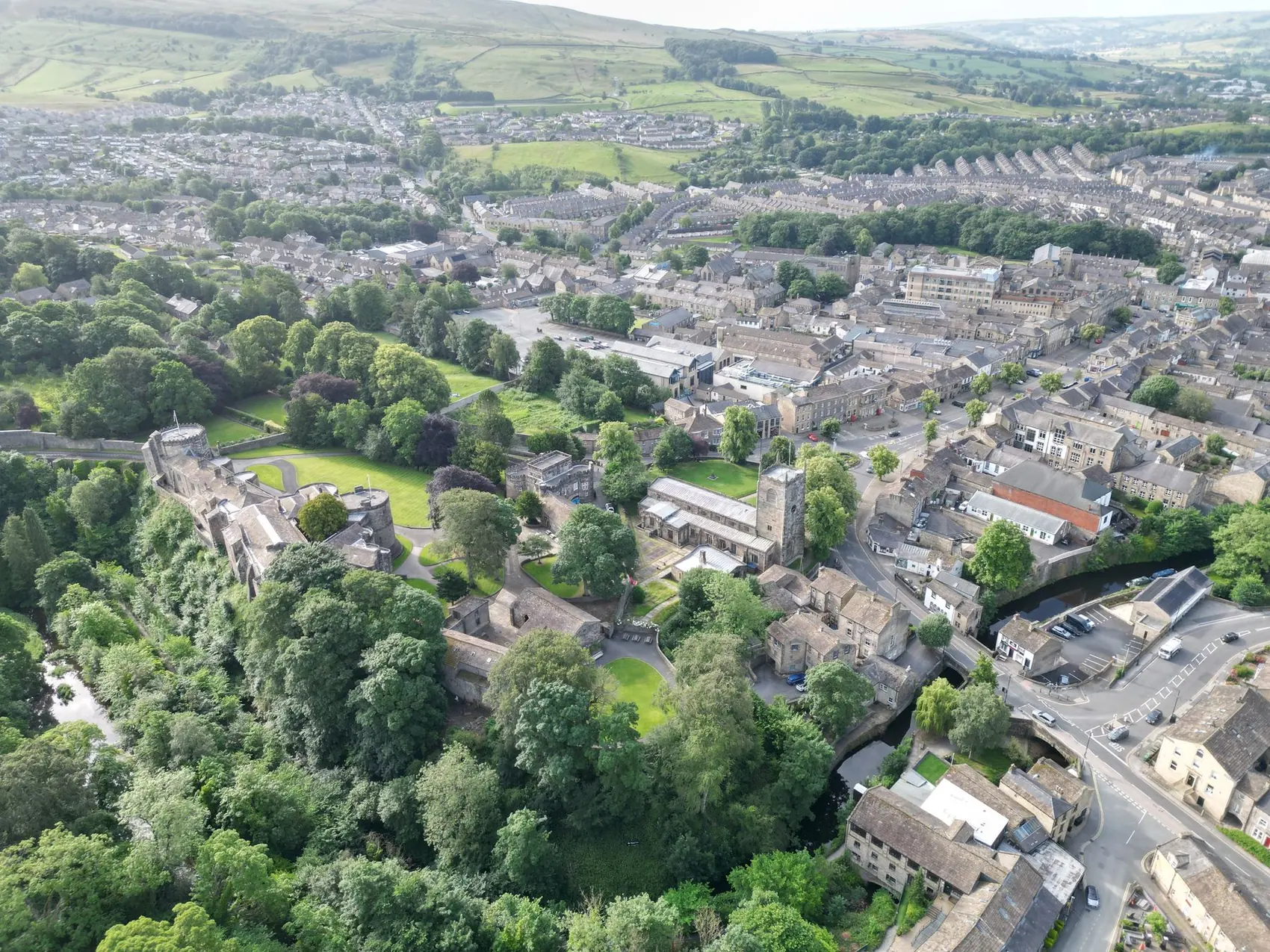
The mill has been part of Skipton's story since Robert de Clifford held it for King Edward II. It has been a corn mill, a monopoly, a museum and a seed merchants, and it is now a hydro powered home for independent business.
Our storyA Brief History of the Corn Mill
Records show the mill dates back as far as 1310, when it was owned by Robert de Clifford, having been handed to the powerful Clifford family by the then King Edward II.
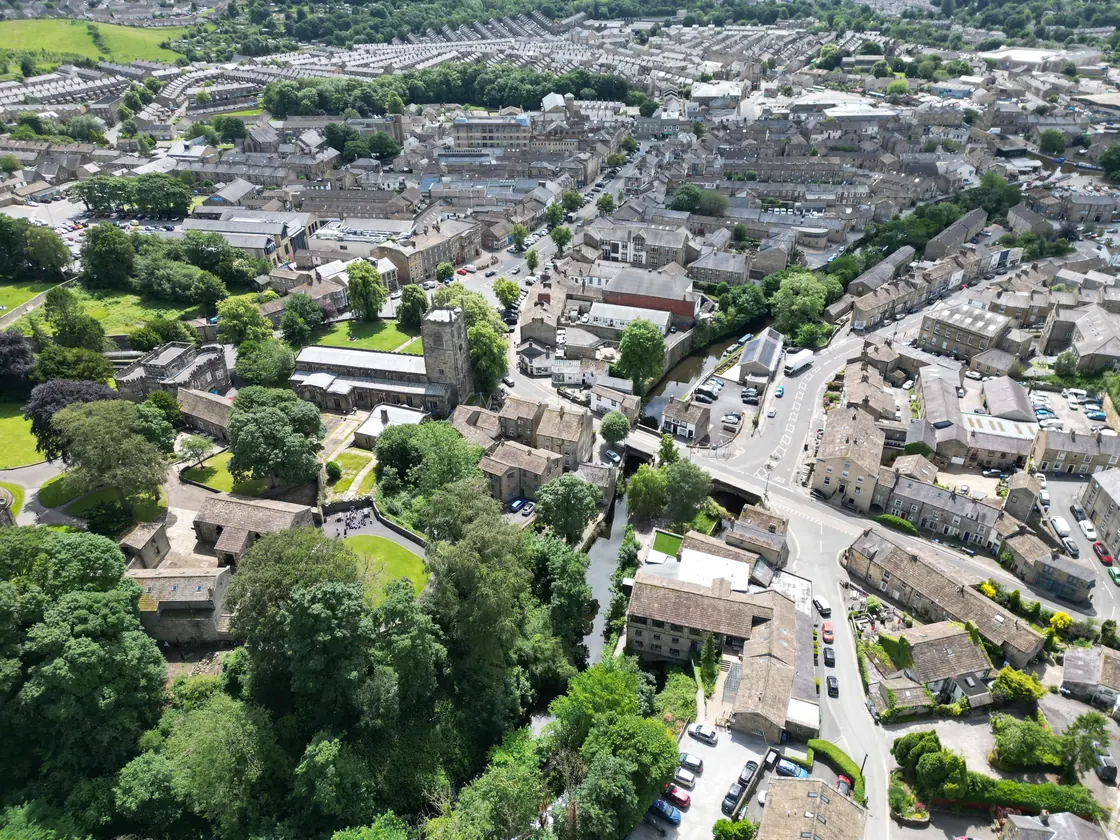
What we see of the mill today is only half of what existed back then, when two mills operated to produce corn for the whole of Skipton. At that point the mill held the monopoly on grinding corn for the town, and it was not until the nineteenth century that this was lifted, giving Skipton residents the option to pay a ‘mulcture-toll’ instead.
In 1954 the castle estate was broken up, and a decade later the mill came into the hands of George Leatt, a local businessman, who converted it into an industrial museum and seed merchants.
It was originally called the Water-Corne Milne. It went on to become the Soke Mill, and finally found the name we all know it by today, High Corn Mill.
Seven centuriesThe Mill in Dates
- 1310
The earliest surviving record of the mill, owned by Robert de Clifford after King Edward II handed it to the Clifford family. Two mills stand on the site, grinding corn for the whole of Skipton.
- Medieval to C19th
The mill holds the monopoly on grinding Skipton's corn. Known first as the Water-Corne Milne, then as the Soke Mill.
- 19th century
The monopoly is lifted. Townspeople can pay a ‘mulcture-toll’ instead of being obliged to mill here.
- 1954
The Skipton Castle estate is broken up and the mill's long association with the castle comes to an end.
- 1960s
Local businessman George Leatt takes on the mill and converts it into an industrial museum and seed merchants.
- Today
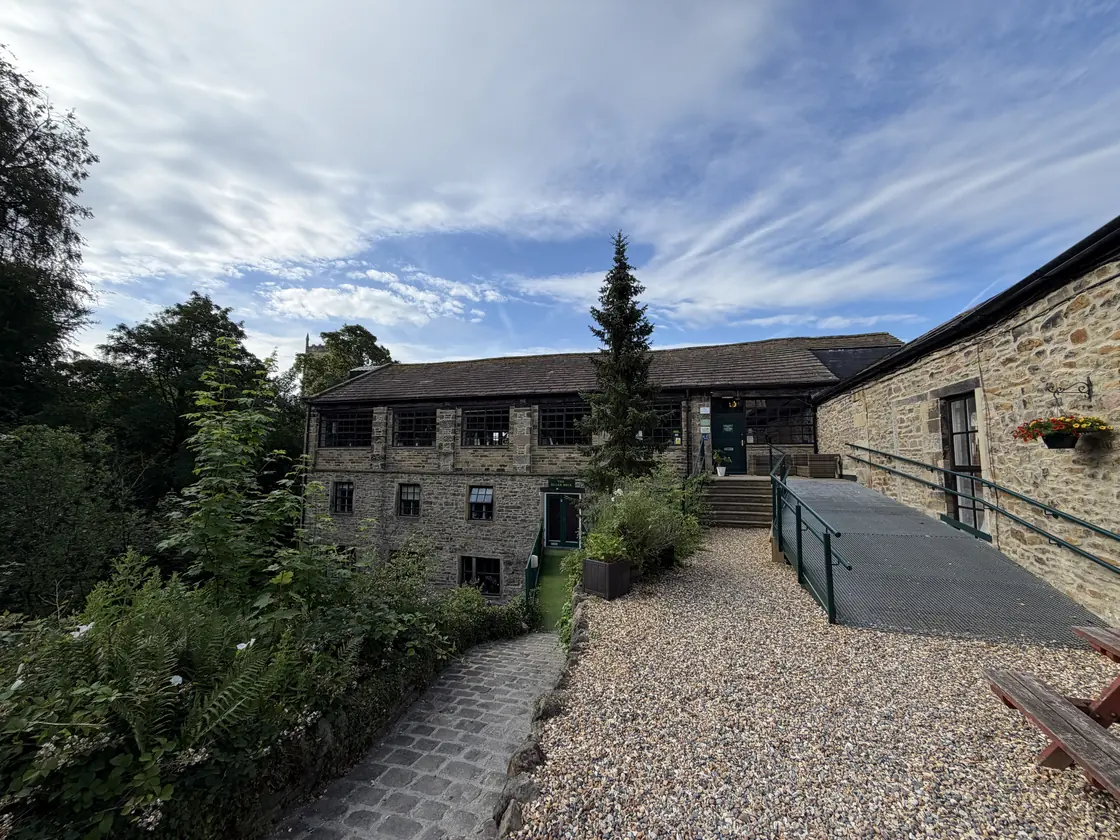
An ongoing programme of renovation has made the mill home to twelve independent businesses, a holiday apartment, and a 15kW hydro turbine that puts power back into the national grid.
Old building, new powerThe Wheel and the Turbine
Twenty-first century kit fitted carefully into a medieval building.
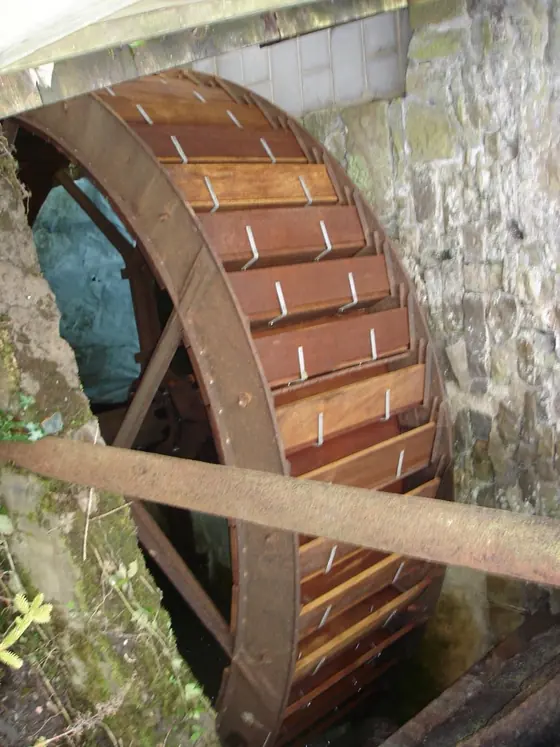
The Waterwheel House holds a water turbine we had built for the site, installed by letslivegreen, which feeds part of the town's electricity into the national grid. It makes enough for about twenty homes.
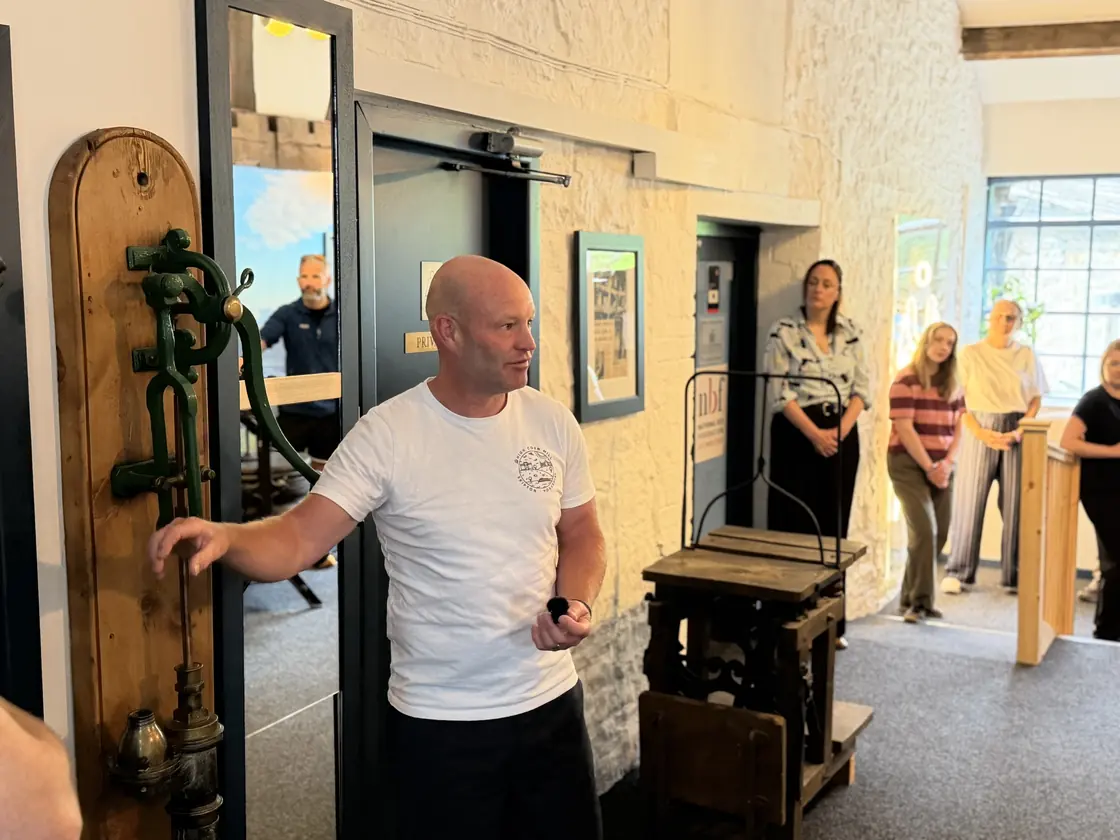
The 15kW, 600kg Crossflow turbine makes High Corn Mill a carbon neutral complex, powered by the same beck that turned the original wheel seven hundred years ago. Beside it, the viewing areas show some of the original corn machinery and a second waterwheel that visitors can turn themselves.
The mill todayA Working Community
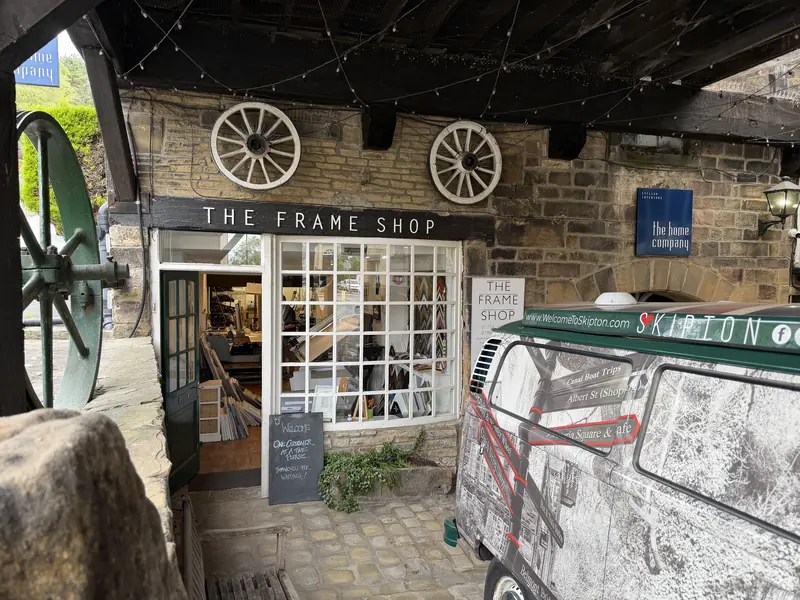
The mill is not a museum piece. Twelve independent businesses work here every day: a bridal boutique, a framer, a physio, a gym, two pilates studios, a hair salon, a counselling practice, a furniture showroom, a trade association and an award winning restaurant.
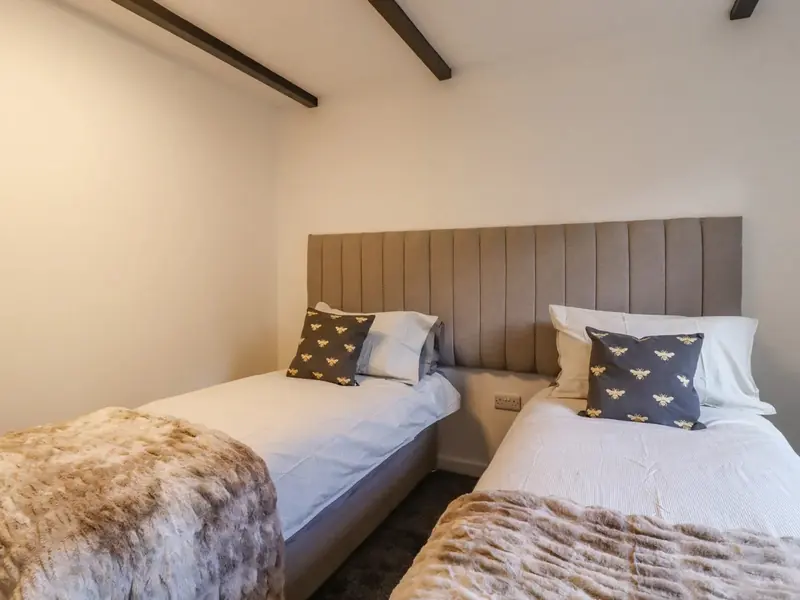
Above them, The Eller Beck sleeps ten at the edge of Skipton Castle Woods. Below them, the beck still turns the wheel. Anyone coming here for a haircut is walking through seven hundred years of Skipton's working life, whether they notice or not.
We think that is worth keeping going, and we would love to show you round.
Come and walk round it.
Tours are free, the Waterwheel House is open to everyone, and there is always someone about to answer a question.
Where nextKeep exploring the mill
There is more to the High Corn Mill than one page can hold.